Skip to content

Geriatric Physician Consultants

Guiding Families with Experience & Heart

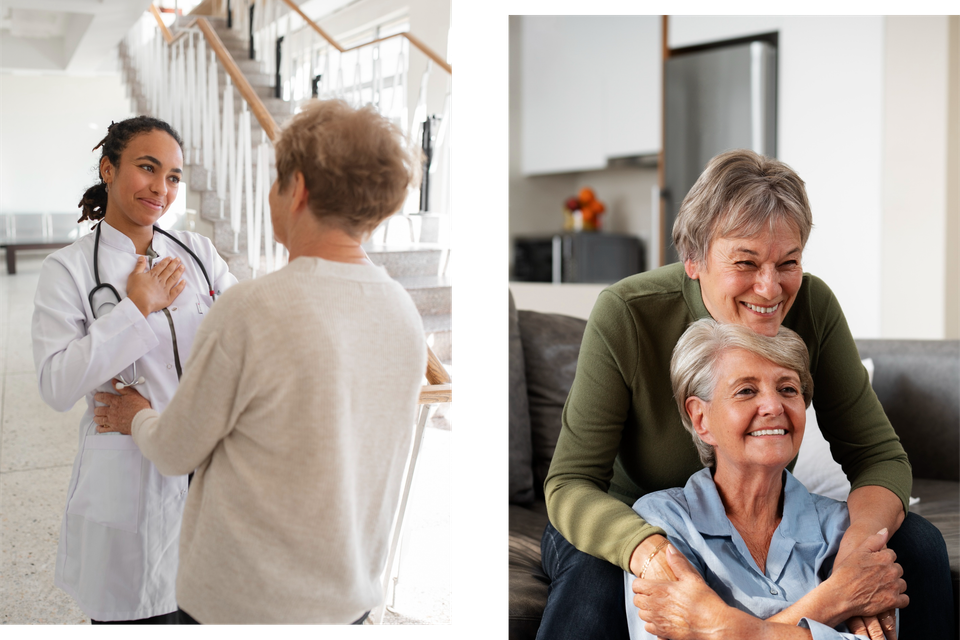
Female doctor talking with female patient
Senior Housing & Care Strategy • Serving Nassau & Suffolk County

Medical Guidance on Independent, Assisted, and Skilled Nursing Care

Deciding between independent living, assisted living, and skilled nursing is a critical choice that impacts safety and longevity. Geriatric Physician Consultants provides the medical foundation for these decisions, using clinical data to match your loved one’s specific needs with the correct environment.
Book Your Free Consultation

What Is a Comprehensive Geriatric Assessment (CGA)?

A Comprehensive Geriatric Assessment (CGA) is the medical standard for determining appropriate senior placement. Unlike a standard physical, this multi-dimensional evaluation analyzes functional abilities, cognitive health, and socio-environmental factors. By assessing a patient's ability to perform Activities of Daily Living (ADLs) and their medical complexity, a geriatrician can objectively recommend whether Independent Living, Assisted Living, or Skilled Nursing is required for their safety.
Mom and daughter hugging

Is It "Just Aging" or a Safety Risk?

Families often struggle to distinguish between normal aging and a decline that requires professional intervention. A medical consultation is critical if you are observing:
 

Functional Deficits:

Difficulty with basic ADLs like bathing and dressing, or Instrumental ADLs (IADLs) like managing finances and medications.


Mobility Issues:

Frequent falls, unsteady gait, or a fear of walking that suggests the current home environment is no longer safe.


Cognitive Changes:

Confusion, wandering, or memory lapses that might require a secure "Memory Care" setting rather than standard open placements.


Caregiver Burnout:

When the physical demands of care exceed what family members can safely provide at home.

Helping You Assess Care Needs


Identifying Reversible Conditions

We determine if a decline is due to a treatable issue, like an infection or medication interaction, preventing premature placement in high-intensity nursing homes.
ADL Assessment Guide
We teach you how to objectively evaluate your loved one's ability to perform daily tasks (ADLs), giving you clarity on how much support they actually need.

Polypharmacy Review

We review complex medication lists to ensure drug side effects, such as dizziness or confusion, aren't falsely mimicking dementia or physical decline.

Future-Proofing Care

We help you look ahead, advising on which facilities can handle future decline so you don't have to move your loved one twice.
Dr. Nathanael Desire from GPC Consultants

Objective Medical Advice, Not Sales Pitches

Placement agencies and facility directors often focus on filling beds. Geriatric Physician Consultants focuses on health outcomes. Dr. Nathanael Desire serves as an objective medical advocate. We use the Comprehensive Geriatric Assessment to provide a clinically accurate recommendation. This ensures that any move is based on medical necessity and safety data, rather than marketing promises.
 

Navigating the "Continuum of Care" on Long Island

Whether you are considering a luxury Independent Living community in Nassau or a robust Skilled Nursing Facility in Suffolk, we help you navigate the "Continuum of Care." We assist in advance care planning to ensure the chosen facility aligns with your loved one's long-term medical trajectory and quality of life goals.

Common Questions About Levels of Care

1. What is the difference between Assisted Living and Skilled Nursing?

Assisted Living is for seniors who need help with daily tasks but are medically stable. Skilled Nursing is for those requiring 24-hour medical supervision and nursing care. Our assessment determines which category your loved one falls into.


2. Can a geriatrician prevent a move to a nursing home?

In some cases, yes. By identifying reversible conditions or adjusting medications that cause side effects, we may improve a senior's functional ability enough to delay or prevent the need for high-intensity skilled nursing.


3. How do you assess for Memory Care specifically?

We review your loved one's behavioral history with you to identify specific red flags, such as wandering or aggression. We explain why these risks make standard Assisted Living unsafe, guiding you to choose a secured "Memory Care" environment that prevents injury and future eviction.
Medical Consultations from GPC Consultants

Stop Guessing About Your Loved One's Safety.

You have questions. Dr. Desire has answers. Claim your complimentary session today and get the clarity you need to move forward with confidence.
Book Your Free Consultation