Skip to content

Geriatric Physician Consultants

Guiding Families with Experience & Heart

Senior woman driving a car on a sunny day
Driving Safety & Mobility Strategy • Serving Nassau & Suffolk County

Strategic Guidance on Senior Driving Safety

Deciding when an aging parent should stop driving is one of the most stressful challenges for a family. Geriatric Physician Consultants provides you with an objective, medical framework to evaluate their "fitness to drive", helping you protect their safety and preserve family harmony without guessing.
Book Your Free Consultation

What Is a "Fitness to Drive" Assessment?

A "fitness to drive" assessment goes far beyond a simple DMV eye exam. It is a comprehensive medical look at the physical and cognitive skills required to operate a vehicle safely. We educate caregivers on the three critical pillars of driving: cognitive processing speed, executive function (divided attention), and physical flexibility. By understanding these pillars, you can objectively observe your loved one's abilities behind the wheel and know exactly when it is time to involve their primary doctor for a formal, clinical evaluation.
Senior woman sitting in her newly bought car looking out the window smiling joyfully

Are You Worried About Their Time Behind the Wheel?

It is normal to feel anxious when an aging parent pulls out of the driveway. A consultation with Dr. Desire is critical if you are observing:
 

Unexplained Damage

Finding new dents or scrapes on the car, mailbox, or garage door that they cannot explain.


"Divided Attention" Struggles

They can drive straight but freeze or become highly agitated when asked to navigate, listen to the radio, and check mirrors simultaneously.


Physical Stiffness

You notice they can no longer turn their neck and torso far enough to physically check a blind spot.


Close Calls

Experiencing frequent "near misses" or delayed reactions to sudden stops, pedestrians, or changing traffic lights.

Empowering You to Navigate Driving Decisions


Medication "Drowsiness" Audits

We review your loved one's medication list to identify "silent" driving hazards, such as sleep aids that cause a 16-hour "hangover effect," empowering you to ask their doctor for safer alternatives.
Vision & Contrast Education
We educate you on "functional vision." We teach you to watch for issues like poor "glare recovery" at night or difficulty seeing grey cars on rainy roads, which standard eye exams often miss.

The "Bad Guy" Strategy

We coach you on how to ask their primary care physician to write a "Medical Necessity" letter. A doctor's order to stop driving causes far less family resentment than a child forcibly taking the keys.

DRS Referral Guidance

We guide you on how to find a Certified Driving Rehab Specialist (DRS). These occupational therapists can perform objective, real-world driving tests in dual-controlled vehicles to settle the debate.

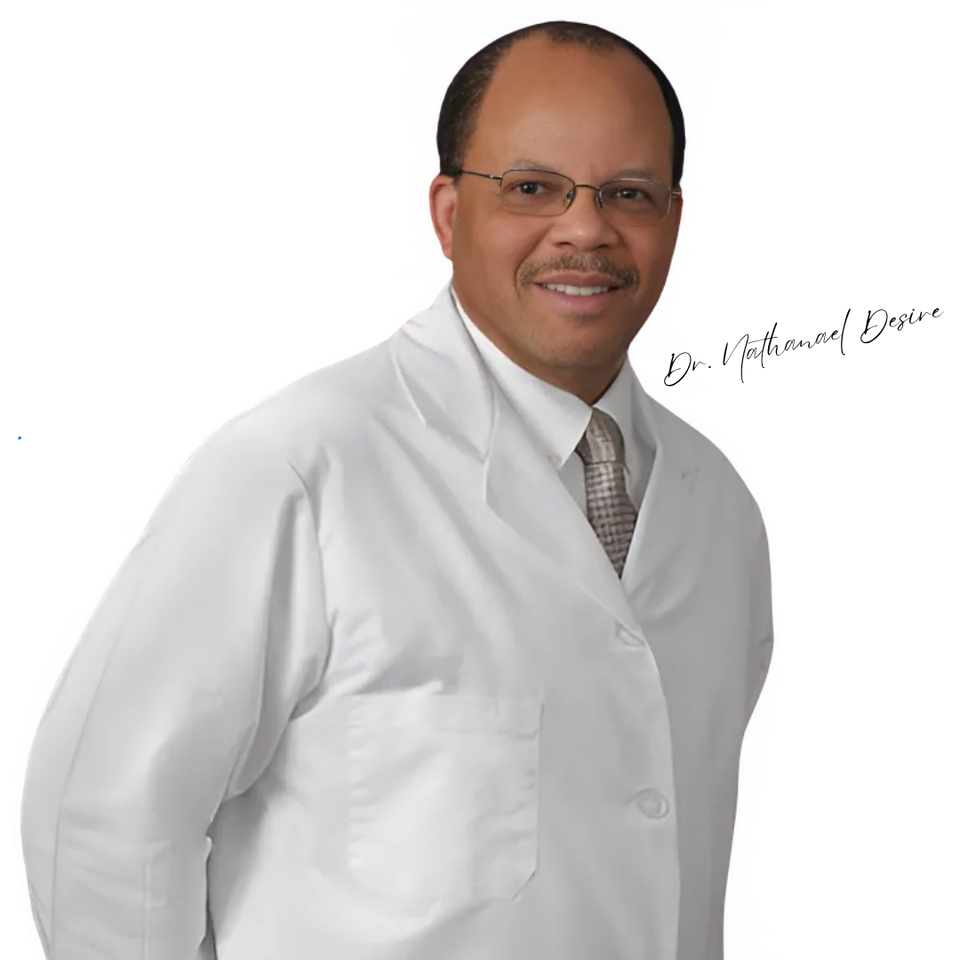
Dr. Nathanael Desire from GPC Consultants

Preserving Independence with Objective Data

Taking the keys away is not the only option. Often, families jump to a total ban when a graduated approach would work better. Dr. Nathanael Desire helps you explore "Graduated Driving Plans." We teach you how to discuss specific restrictions with their primary doctor, such as no night driving, avoiding highways, or staying within a 5-mile radius of home. We also educate you on adaptive equipment, like extra-wide mirrors or pedal extenders, that can safely extend your loved one's driving years.
 

Navigating New York DMV Reporting

The legal side of senior driving can be incredibly stressful. We advise you on New York State's specific reporting laws for conditions like Alzheimer's or epilepsy. We help you understand the legalities of license surrender and how to ensure liability protection if taking them off the road becomes a medical necessity.

Common Questions About Senior Driving

1. Do you perform the driving test?

No. We consult with you, the caregiver. We teach you what warning signs to look for and guide you on how to request a formal clinical evaluation from their primary doctor or a driving specialist.


2. How do I stop them from driving without ruining our relationship?

We specialize in this exact transition. We coach you on shifting the blame to a medical authority. By having their primary doctor issue a medical restriction, you remain the supportive child rather than the "bad guy."


3. Can medications really affect driving that much?

Absolutely. Many seniors take anxiety meds or sleep aids at night that impair reaction times for up to 16 hours, often without the driver actually feeling "sleepy." We help you spot these invisible risks in their pillbox.
Medical Consultations from GPC Consultants

Protect Their Safety and Your Peace of Mind.

You have questions. Dr. Desire has answers. Claim your complimentary session today and get the clarity you need to move forward with confidence.
Book Your Free Consultation